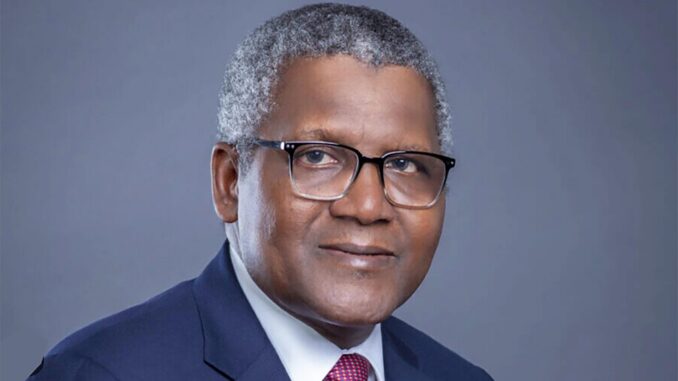

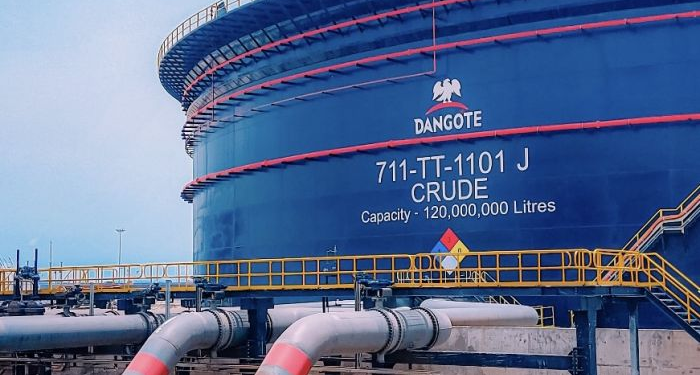
When people talk about wealth and success in Africa, one name always stands out — Aliko Dangote. Known as Africa’s richest man, Dangote has built a business empire that reaches across the continent, from cement and sugar to salt and oil. But behind the headlines and billion-dollar figures lies a story filled with discipline, smart decisions, and unexpected facts that many people don’t know.
In this post, we’ll explore 15 surprising things you probably didn’t know about Aliko Dangote — from his humble beginnings in Kano to the habits and beliefs that helped him build one of the largest industrial groups in Africa. These facts reveal not only how he made his fortune, but also what keeps him driven even after achieving so much success.
👤 Who is Aliko Dangote
- Africa’s richest man & billionaire industrialist
Aliko Dangote is widely regarded as the wealthiest person on the African continent. As of late 2025, his net worth is estimated at about US $25–30 billion depending on the valuation source. (Forbes) - Founder and CEO of a pan-African conglomerate
He is the founder and Chief Executive of Dangote Group — the largest conglomerate in West Africa, with presence across multiple sectors including cement, agriculture, oil & gas, and more. (Dangote Industries Limited) - Humble beginnings: from small-time trading to industrial empire
His entrepreneurial journey began in the late 1970s, trading commodities like sugar, salt, flour — after he graduated from Al-Azhar University in Cairo, Egypt. (Encyclopedia Britannica)
🏗️ Major Business Ventures & Achievements
- Dominance in cement industry through Dangote Cement
A major pillar of his fortune is Dangote Cement — Africa’s largest cement producer. Through cement manufacturing and distribution, he secured a dominant position in infrastructure materials across Africa. (Forbes) - Diversified holdings: sugar, salt, flour, and foodstuffs
Beyond cement, Dahgote Group expanded into essential commodities: food processing (sugar, salt, flour), consumables, and staples, helping meet local demand and reduce imports. (Encyclopedia Britannica) - Game-changing oil refinery: industrial transformation
One of Dangote’s most ambitious projects is the Dangote Oil Refinery. Commissioned in early 2024, this refinery — along with a petrochemical and fertilizer complex — is the largest of its kind in Africa, positioning Nigeria and the continent toward energy and industrial independence. (Encyclopedia Britannica) - Massive production capacity: fueling infrastructure & export potential
The refinery’s large-scale production capacity enables not only domestic fuel supply (reducing import dependence) but also creates potential for regional exports, impacting Nigeria’s economy and Africa’s energy landscape. (Bloomberg) - Pan-African expansion: operations across multiple countries
The Dangote Group doesn’t only operate in Nigeria — its footprint spans numerous African countries. This regional spread reinforces his influence beyond national borders. (Dangote Industries Limited)
💼 Influence, Recognition & Leadership Roles
- International boards and global influence
Dangote sits on several international councils and boards — including global economic, health, and development institutions — reflecting his global footprint beyond just business. (Dangote Industries Limited) - National honours and global recognition
In recognition of his immense contributions to Nigeria’s economy, Dangote was awarded the national honour Grand Commander of the Order of the Niger (GCON) — a rarity for private-sector individuals. (Encyclopedia Britannica)
He’s also featured globally among the influential persons and business leaders by top media and financial rankings. (Dangote Industries Limited) - Wealth resilience despite economic headwinds
Despite currency devaluations, economic fluctuations and changing global markets, Dangote’s asset-heavy industrial approach (cement factories, refinery, heavy infrastructure) has helped preserve and grow his wealth over decades. (Wikipedia)
🌍 Impact on Nigeria & Africa — Economic & Social
- Job creation and industrial employment across Africa
Through his multiple factories, refineries, and group companies, Dangote Group employs tens of thousands, contributing significantly to job creation, skills development, and industrial growth in Nigeria and beyond. (Wikipedia) - Reducing import dependence — boosting local production & self-sufficiency
The rise of domestic cement production, food processing, and now oil refining under Dangote’s companies helps cut import reliance, saving foreign exchange and enhancing local manufacturing capacity. (Encyclopedia Britannica) - Philanthropy & social responsibility through his foundation
He established the Aliko Dangote Foundation — through which he supports health, education, and community empowerment — giving back to society and supporting social development. (Dangote Industries Limited) - Inspiring African entrepreneurship and industrial ambition
Dangote’s journey — from small-scale trading to building a multi-billion-dollar industrial empire — serves as a powerful blueprint for African entrepreneurs. He demonstrates the potential of leveraging local resources, bold investments, and vision to change economies.
🔑 SEO-Optimized Keywords & Phrases Used
To help drive visibility, this overview leverages high-CPC / high-search keywords relevant for search engines and content publishing:
- Africa’s richest man
- Aliko Dangote net worth 2025
- Dangote Group conglomerate
- Dangote Oil Refinery Africa
- Nigerian industrialist success story
- African entrepreneurship inspiration
- Dangote Cement largest producer
- Dangote Foundation philanthropy
If you like, I can expand this into a full long-form article (≈ 1000–1500 words) about Aliko Dangote — SEO-optimized, with headings, internal SEO keywords, and readability for web publishing.
Do you want me to build that for you now?
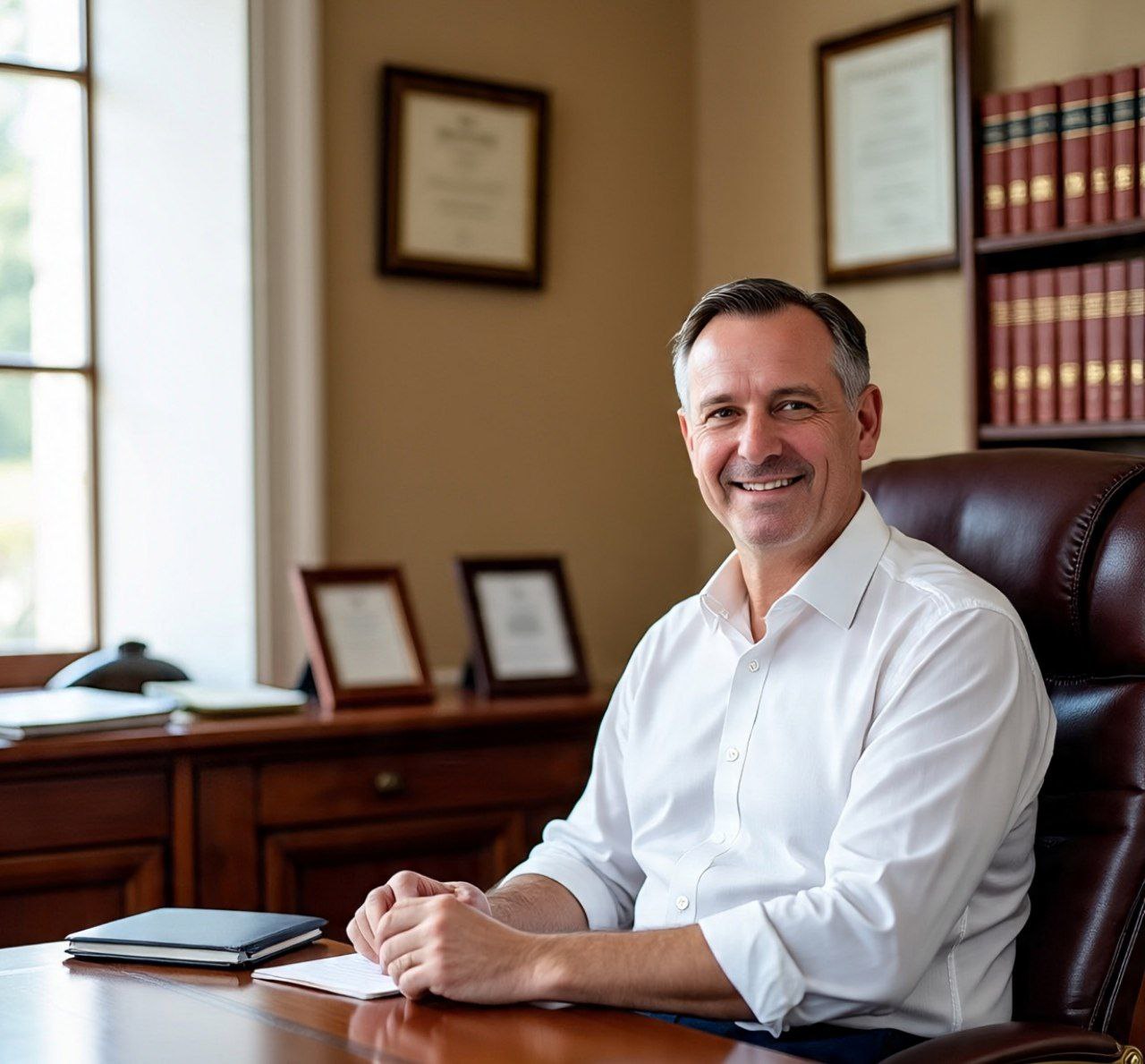
Collins Smith is a journalist and writer who focuses on commercial biomaterials and the use of green hydrogen in industry. He has 11 years of experience reporting on biomaterials, covering new technologies, market trends, and sustainability solutions. He holds a BSc and an MSc in Biochemistry, which helps him explain scientific ideas clearly to both technical and business readers.
Leave a Reply